The client
A B2B distributor near Lyon selling through a web storefront, with ERPNext running purchasing, inventory, and invoicing, and a third-party warehouse shipping the orders.
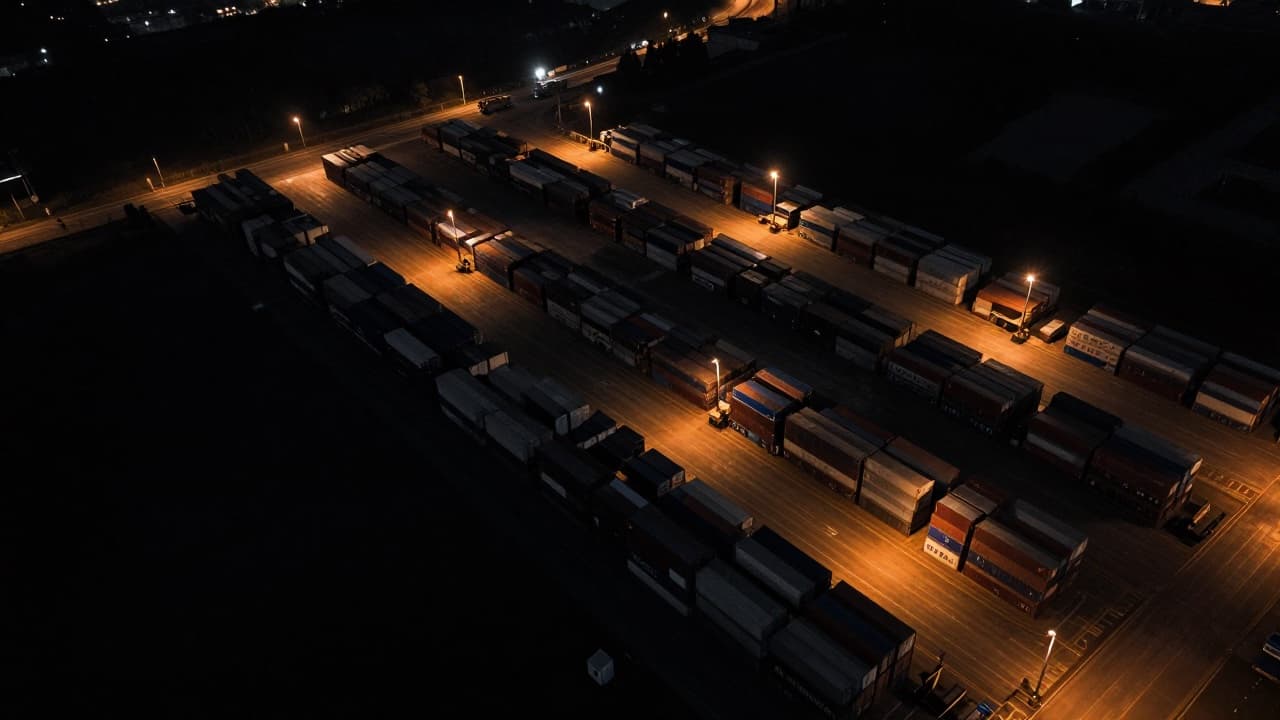
Softwise connected a Lyon distributor's ERPNext instance to its e-commerce storefront and third-party logistics provider. Orders, stock, and invoices now flow automatically in both directions. Staff re-keyed every order before the integration; after it, orders move with no manual entry and stock accuracy on the storefront went from day-old to near real time.
Anonymized by design: industry and city, not names. The shape of the problem is the point.
A B2B distributor near Lyon selling through a web storefront, with ERPNext running purchasing, inventory, and invoicing, and a third-party warehouse shipping the orders.
The three systems did not talk. Staff copied web orders into ERPNext by hand, emailed pick lists to the warehouse, and re-keyed tracking numbers back. The storefront showed yesterday's stock, so customers ordered items that were already gone. Staff time went into typing data from one screen into another, every week, indefinitely.
ERPNext's API is not a happy path. Rate limits, mandatory-field chains that span doctypes, and behavior that shifts between Frappe releases. The integration had to treat ERPNext's constraints as the fixed point everything else adapts around.
No downtime in picking. The warehouse ships daily. Every flow — order in, pick list out, tracking back — had to switch over without the 3PL losing a single shipping day.
The client replaces systems on their schedule. The storefront vendor and the 3PL contract were both under review. Whatever was built could not assume either system stays.
Decisions, not adjectives. Each one had an alternative we rejected.
A small middleware service owns every flow, instead of each system calling the others directly. ERPNext, the storefront, and the 3PL each integrate once. When the client replaces any of the three, the other two are untouched.
ERPNext's REST API has real constraints: rate limits, mandatory-field chains that span doctypes, and customs that shift between releases. The connector respects them with queued writes, idempotent retries, and a reconciliation pass that catches anything a webhook missed. Integrations fail in the gaps between happy paths, so the gaps are where the engineering went.
ERPNext is the single source of truth for inventory. The storefront reserves stock at checkout and confirms against ERPNext, ending the oversells that day-old CSV exports caused.
Every write into ERPNext goes through a PostgreSQL queue with idempotency keys, so a retry after a timeout can never double-create an order. A reconciliation pass compares what the queue believes was written against what ERPNext reports, and surfaces the difference instead of burying it.
Pick lists, shipment confirmation, and tracking numbers flow to and from the 3PL through the same middleware with the same idempotent guarantees, so the warehouse and the storefront agree on what has shipped without anyone re-keying a tracking number.
Delivery order matters as much as what was built. Each phase had to be safe to stop on.
Orders from storefront to ERPNext, with the queue and reconciliation in place from the first day. The most valuable flow proved the pattern before anything else touched it.
Added stock sync out to the storefront and the 3PL shipping loop: pick lists out, tracking back, both idempotent and reconciled.
Connected invoice generation and handed over runbooks for the failure cases that matter: ERPNext upgrades, webhook gaps, and how the reconciliation report reads.
Qualitative outcomes and engagement shape, without invented numbers.
Orders, stock, shipments, and invoices move without manual entry. The staff hours that went into transcription go into the distribution work they were hired for.
The storefront shows near-real-time availability instead of yesterday's export, and checkout reserves against ERPNext as the source of truth. The oversells stopped.
Because each system integrates once through the middleware, the client can replace the storefront or the 3PL without re-contracting the other two integrations — which mattered, because both contracts were under review.
The questions this project is usually asked about. Still stuck? Ask us directly.
Connecting an ERP system like ERPNext, Odoo, SAP, or Dynamics to the other software a company runs (storefront, warehouse, CRM) so data moves automatically instead of being re-typed by staff.
Point-to-point connections multiply: three systems need three links, five need ten. A middleware layer means each system integrates once, and swapping one system out does not break the others.
Scope drives it: the number of flows and how much cleanup the existing data needs matter more than the ERP brand. ERPNext being open source helps on one front: no licence gates and a documented API mean the integration starts on day one.
The middleware is the only component that speaks ERPNext's API, so an upgrade means adapting one connector, not re-testing every integration. Queued writes with idempotent retries absorb the short API windows during upgrade, and the reconciliation pass catches anything that slipped through.
Yes, and that is the point. Each new system — a marketplace, a carrier, an accounting tool — integrates once with the middleware and immediately reaches everything already connected. Adding the fourth system costs a fraction of the third.
Different industries, same in-house team.
 /001/
Softwise built a multi-tenant field-service SaaS for an operations company in Riyadh. One codebase serves every customer through a shared-sc…
Read more → /002/
Softwise built a home-services super app for a Tunis marketplace startup: cleaning, repairs, and delivery verticals in one native mobile app…
Read more → /004/
A Dubai recruitment startup came to Softwise with a prototype built fast by a previous vendor: paying customers, weekly outages, and no path…
Read more → /005/
Softwise integrated AI document extraction into a Paris insurance firm's existing claims process without replacing any system the staff used…
Read more → /006/
Softwise built fleet and park management on top of ERPNext for a road-freight company in Tunis running a mixed truck and van fleet. GPS tele…
Read more →